
Granada Declaration Supports Spain’s Historic Irrigation Systems
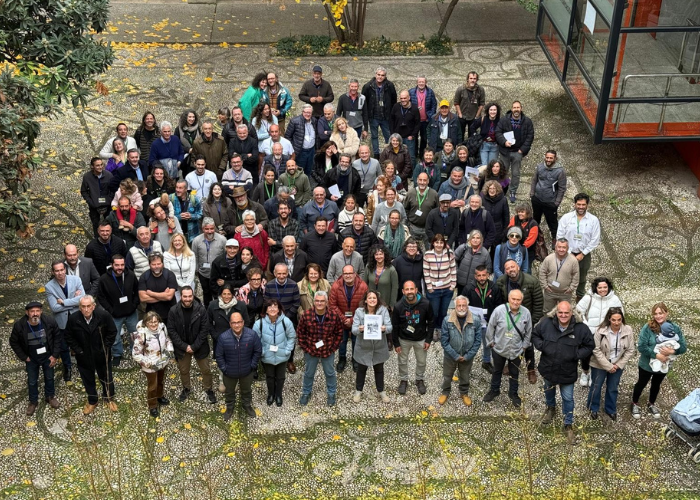
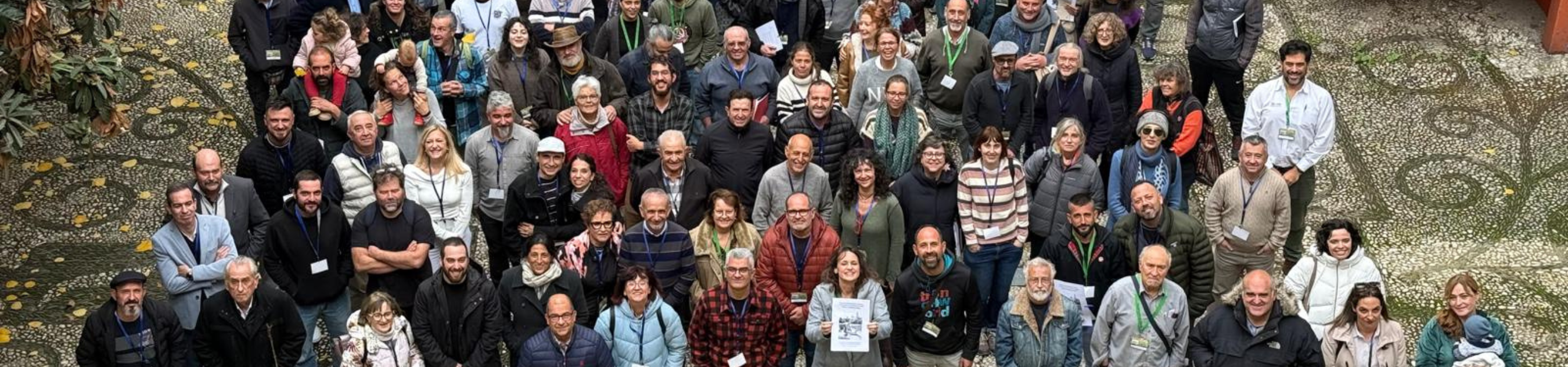
On 13 December 2025, a historic declaration was adopted in Granada in support of and recognition of Spain’s traditional and historic irrigation systems. More than 120 irrigation communities from across the country came together to highlight the social, cultural, environmental and economic value of these water infrastructure systems, which have sustained agriculture and rural communities for centuries.
The declaration highlights that these systems are sustainable and resilient models: they help maintain fertile soils, promote biodiversity, regulate the water cycle and help stem rural depopulation. They also promote equitable water use and offer alternatives to extractive or technocratic practices that threaten their continued existence.
This step serves as a foundation for promoting public policies of recognition and protection, and for strengthening Spain’s rural identity and heritage.
Who can sign the manifesto?
Irrigation communities, public and private bodies, and anyone interested can join and show their support via the form.
A key gesture to highlight social and institutional support and call for public policies that guarantee their protection and continuity.
Here is the link to the manifesto
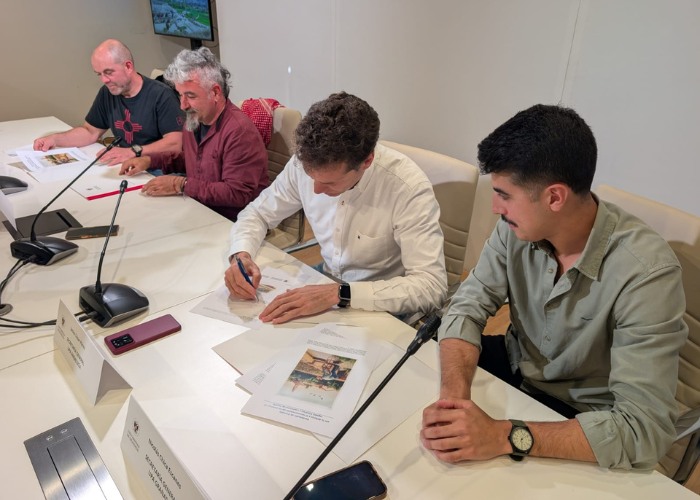
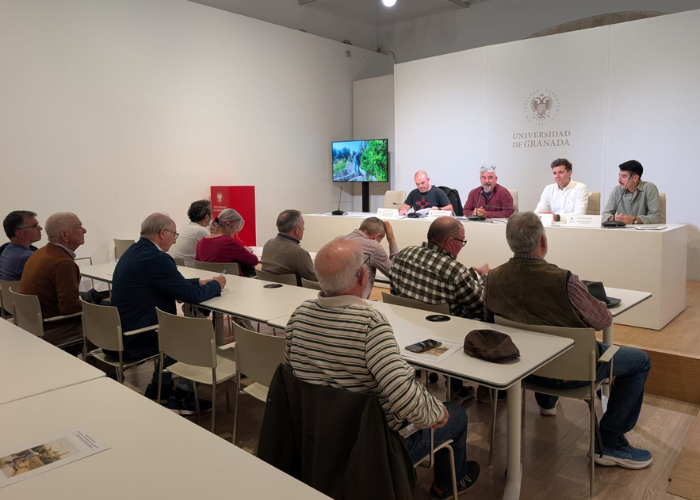
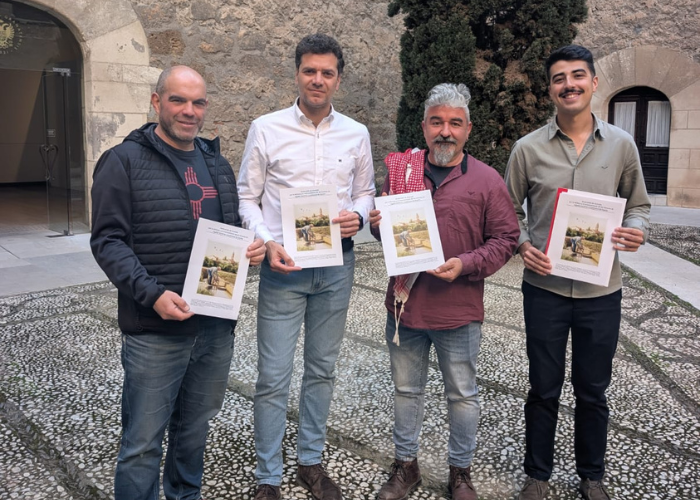
UPA Andalucía (Union of Small Farmers and Livestock Breeders of Andalusia) joins the campaign to defend traditional irrigation systems by signing the Granada Declaration. On Thursday 16 April 2026, the signing ceremony for the Granada Declaration – calling for the recognition and defence of historic and traditional irrigation systems – took place at the Hospital Real in Granada, organised by MEMOLab-UGR.
At this meeting, UPA Andalucía, together with its delegation in Granada, signed a document (Declaration of Granada) that was already endorsed last December by more than 120 historic and traditional irrigation communities from across the country gathered in this city.
This event forms part of the activities of the FORTALECE project, aimed at promoting and coordinating historical and traditional irrigation communities, and which is supported by the Biodiversity Foundation and co-financed by the European Regional Development Fund (ERDF).
This manifesto is directly aligned with the objectives of the WatHer Project in its focus on the conservation, preservation and enhancement of traditional irrigation systems. These are values that we at the Bioarchaeology Laboratory of the University of Granada (MEMOLab-UGR), as a partner of WatHer, have been promoting for many years.