Our story
The WatHer project was developed in response to one of the Mediterranean’s most pressing challenges – water scarcity intensified by climate change. Across the region, many traditional Water Heritage Systems (WHS) that once sustained rural communities have been neglected or replaced by modern infrastructure. Yet, these systems hold valuable lessons for sustainable water management.
Politecnico di Milano (IT) | Lead partner
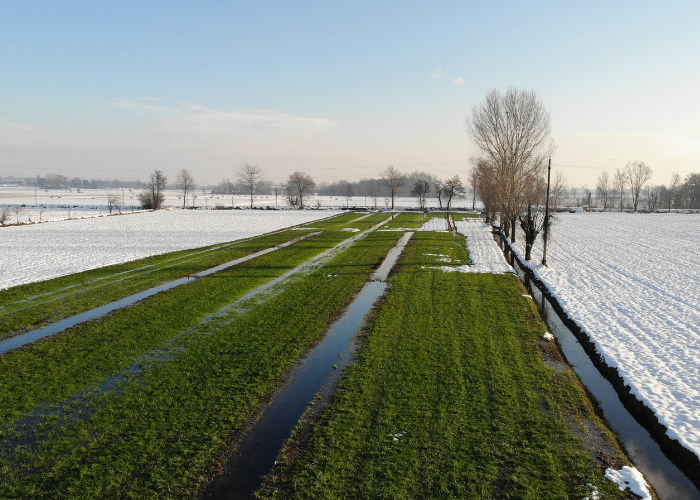
Politecnico di Milano (POLIMI) will oversee the project’s coordination and participate in all WPs. It will carry out its pilot activities in the rural area of the irrigated plain in the Ticino River Valley (Lombardy), collaborating with its associate territorial partners: Ticino Valley Regional Park, Serio River Park. POLIMI will participate in the development of the methodological framework for collecting and networking local know-how on WHS management and will be responsible for data collection in their case study area. They will also develop a replicable model to assess the hydraulic and ecological benefits of restored WHS. POLIMI will also contribute to establish joint strategic guidelines for WHS pilot restoration, design a pilot action plan for WHS restoration in Ticino Valley, and organize workshops and field activities to engage local people and farmers in the restoration of the WHS’s hydraulic artifacts.
University of Padova (IT)
University of Padova (UNIPD) will make sure all local stakeholders are involved, and will collect data on their own case study, the water ditches of the Roman centuriation of Padova. UNIPD will test water ditches restoration on selected pilot sites within the jurisdiction of its territorial associated partners, the Municipalities of Mirano and Borgoricco. It will collect data for hydrological and ecosystem assessments at the Padova WHS pilot site and help design a Joint Action Plan, contributing insights from its pilot site and finding common ground for application across the entire partnership and different Mediterranean WHS. It will organize a local seminar on its pilot site to disseminate the project’s results and co-organize, with POLIMI, the Italian consultancy on WHS restoration and monitoring. UNIPD will support communication strategy by contributing content and disseminating project results at conferences, and leveraging its established channels.
University of Granada (ES)
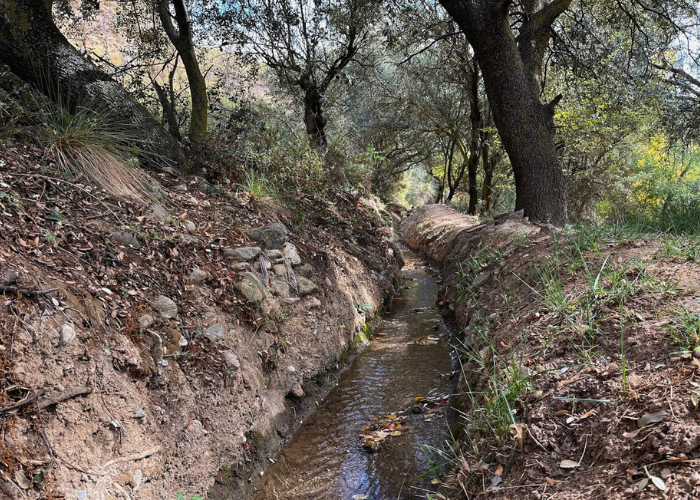
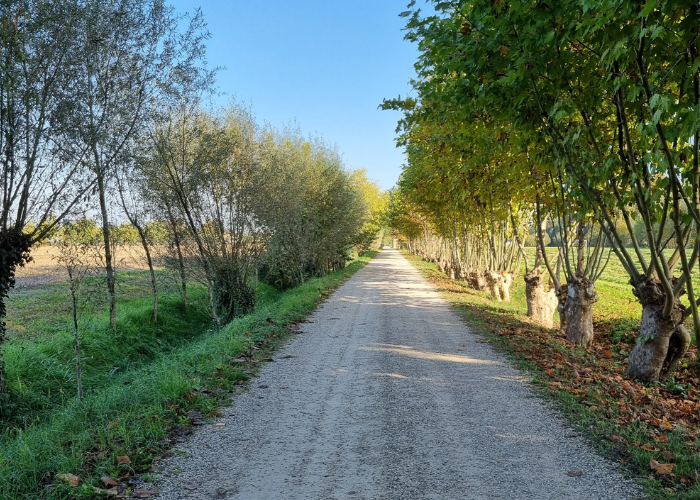
University of Granada (UGR) will study its pilot site and local best practices, applying a participatory approach involving local communities and stakeholders in identifying all relevant constraints related to water management. UGR will also conduct GIS surveys, and contribute to develop a model with POLIMI to assess the impacts of WHS restoration. It will provide a method for soil sampling and texture analysis as part of the water balance assessment. UGR will elaborate a pilot action plan for the WHS restoration in its pilot area and be responsible for implementing and monitoring WHS restoration interventions in the Altiplano of Granada in close collaboration with local communities. They will measure water flow and monitor crop water consumption, contributing to understanding how WHS can support sustainable agricultural practices and assessing the hydrological effectiveness of WHS. UGR will organize the local seminar on the Spanish pilot site and the national consultancy on WHS restoration.
University of Algarve (PT)
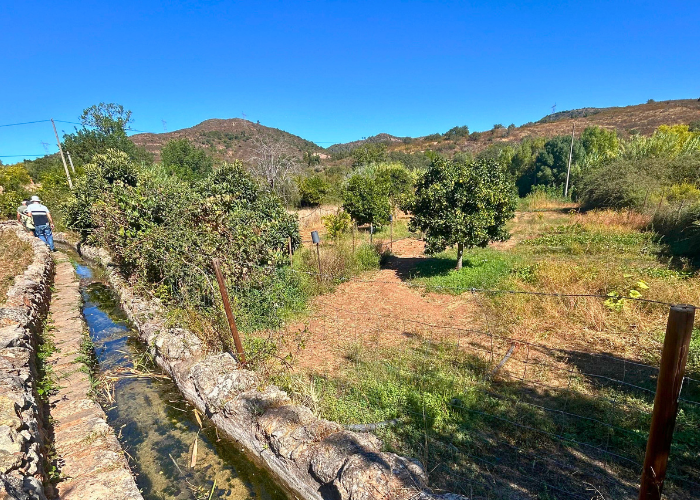
University of Algarve (UAlg) will contribute to data collection, providing information on the Algarve’s traditional irrigation system and supporting POLIMI in drawing up the model to analyse the water balance and the benefits of the ecological water services of WHS restoration. Together with IN LOCO, they will draw up an action plan for the pilot restoration of a traditional irrigation system, including built structures such as canals and tanks and will organise the pilot restoration activity of an irrigation system in Barrocal, monitoring the effects of this intervention on its pilot WHS.
IN LOCO Association (PT)
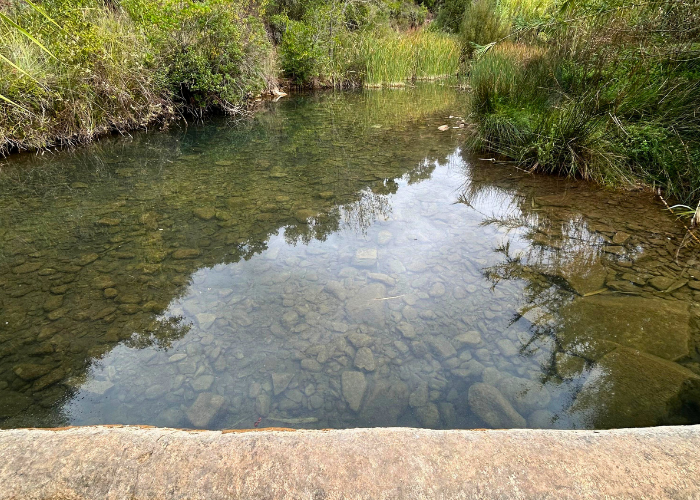
IN LOCO, will facilitate communication between WHS owners and project partners, collect field data and evaluate the local development impact of WHS. IN LOCO will make a pilot action plan for WHS restoration in Algarve, in collaboration with UAlg and CCDR Algarve to guide participative restoration workshops organised in collaboration with municipalities. It will leverage its long experience in participative processes and knowledge transfer to lead the partners in the organization of seminars on the pilot areas, and organize the seminar in Algarve together with UAlg. IN LOCO will also co-lead the Portuguese consultancy on WHS restoration with UAlg.
OTRA – Island Development Agency Ltd (HR)
OTRA will study, design and test the restoration of several ponds in the island of Cres, involving the Town of Cres, Agricultural Cooperative of Cres and the Pramenka Association. It will collaborate with these stakeholders, to identify the challenges faced and share traditional restoration know-how. With the support of Terres en Ville, it will lead the production of a final replicable action plan for WHS restoration and monitoring. It will also monitor stakeholder engagement to maximize the impact and relevance of the transferred results. OTRA will organize a seminar to disseminate project’s results on Cres island and be responsible for the Croatian national consultancy on WHS restoration and monitoring.
BSC – Business support centre Ltd., Kranj (SI)
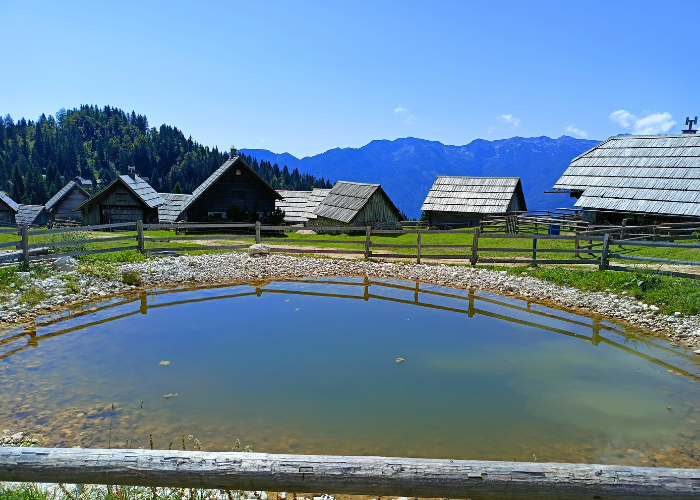
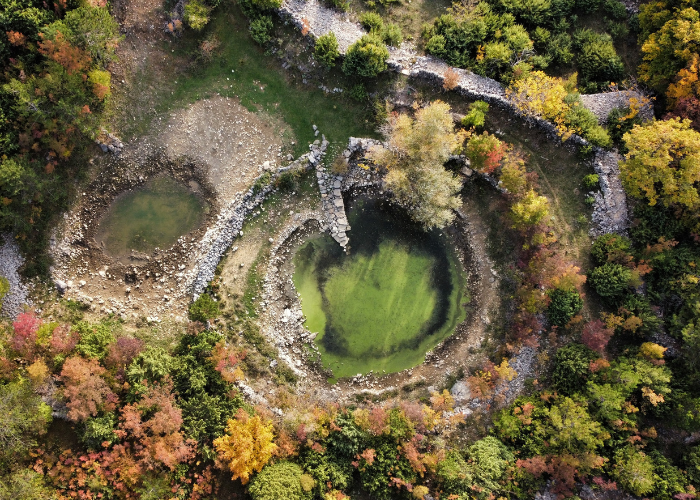
BSC Kranj will collect data on the ponds of various hilly, mountain areas (Kamniško Savinjske Alps, Karavanke) and develop a local action plan for the pilot restoration of several ponds selected in these areas. It will implement these measures through participative restoration workshops and monitor the effects of the restoration intervention. It will support OTRA and TeV in finalizing the transferable strategy and action plan for WHS restoration and monitoring. It will also organize a local seminar to disseminate the project’s results as well as national consultancy on WHS restoration and monitoring. It will work in close collaboration with their associated partners, Triglav National Park and local community Preddvor throughout the implementation of all these activities, and use its experience in communities and stakeholders involvement to foster the participative approach of the project.
Photo by: Triglav National Park Public Institution
Cyprus University of Technology (CY)
Cyprus University of Technology (CUT) will provide crucial insights into the management and sustainability of restored Water Heritage Sites (WHS). Through advanced monitoring techniques and microbial assessment, CUT will address environmental and agricultural challenges related to WHS. CUT will develop a GIS repository to enable data storage, retrieval, and analysis, providing insights into the geographical distribution of resources and environmental features. CUT will also develop a WebGIS platform as an accessible and collaborative tool that allows partners and stakeholders to visualize, analyze, and share geospatial data. Using these tools, CUT will create a digital map detailing abandoned and operational WHS and will establish a pilot restoration action plan for traditional irrigation systems in Dierona (Cyprus).
Laona Foundation (CY)
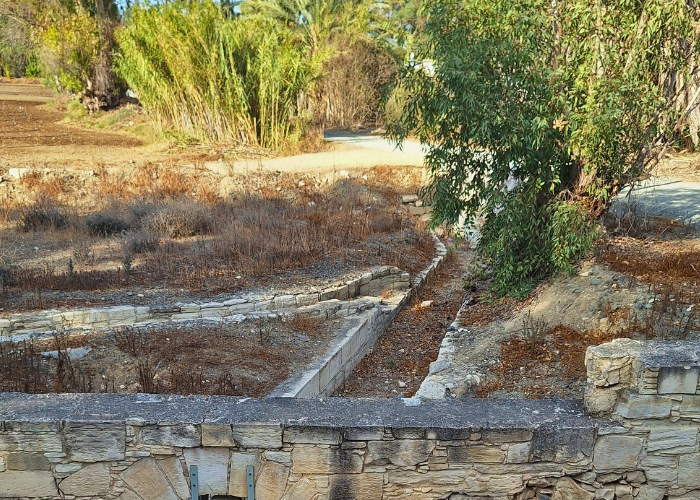
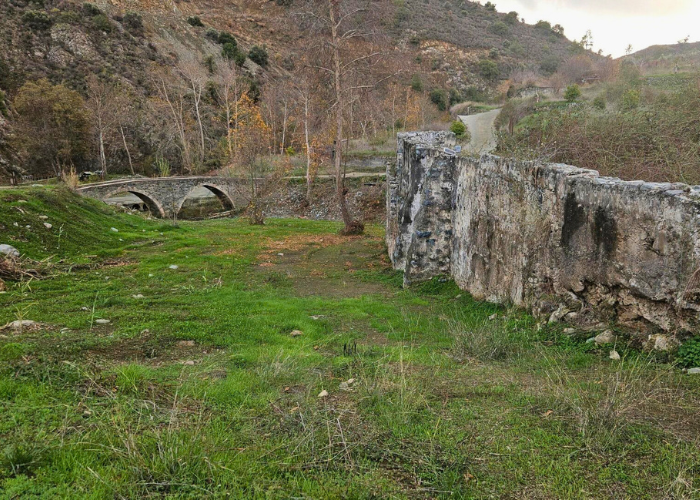
Laona Foundation will collaborate with the Municipality of South Nicosia-Idalion, residents, farmers, land managers, and scientists to collect historical data on wells, water store basins, stone and dirt channels, and other WHS in Agios Sozomenos and Potamia villages. Laona will also conduct field surveys on WHS in the municipality. It will investigate the feasibility of future restoration of the stone cistern and assist CUT in collecting measurements on the Cyprus pilot site to support the evaluation of WHS water balance and ecological benefits, and cost-benefits. Laona will organize a local seminar to disseminate project results with CUT’s support. It will also coordinate the Cyprus national consultancy on WHS restoration. As a communication officer, Laona will also have a transversal role in the project, building on its experience in environmental communication, marketing, social media, and strategic communication.
Selenica Municipality (AL)
The Municipality of Selenica will structure its work around key activities, within further goals of addressing water scarcity, promoting sustainable agroecological practices, and preserving the region’s WHS. Its pilot case study will focus on the Drashovica Canal. The Municipality will gather and provide various data on local WHS, including historical water usage patterns, local knowledge, current challenges such as water scarcity, and the impact of pollution on water quality. It will create a pilot action plan for the restoration of the Drashovica irrigation canal on the basis of joint guidelines established by the partners. It will then organize the participative restoration on the 7th km segment of the main canal with a total length of 1.2km of the canal, involving local communities and organizing field visits for local schools. It will also gather relevant data to evaluate the water balance and ecological benefits of the canal restoration. The Municipality will organize a local seminar to disseminate project’s results among the local community and water stakeholders and organize the Albanian consultancy of WHS restoration and monitoring.
Chambre d’agriculture des Bouches-du-Rhône (FR)
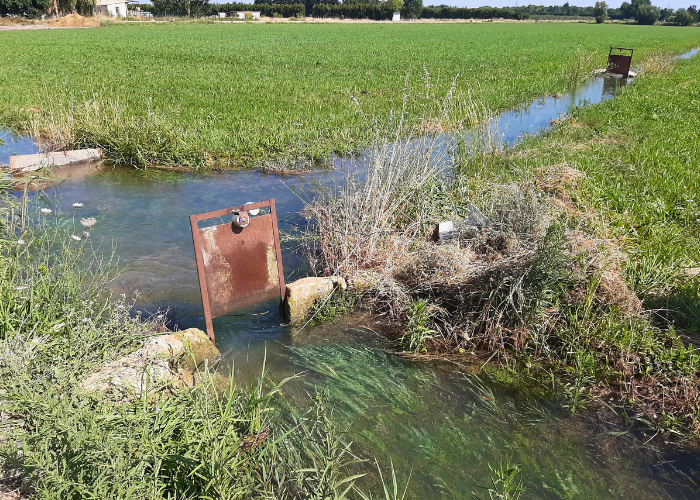
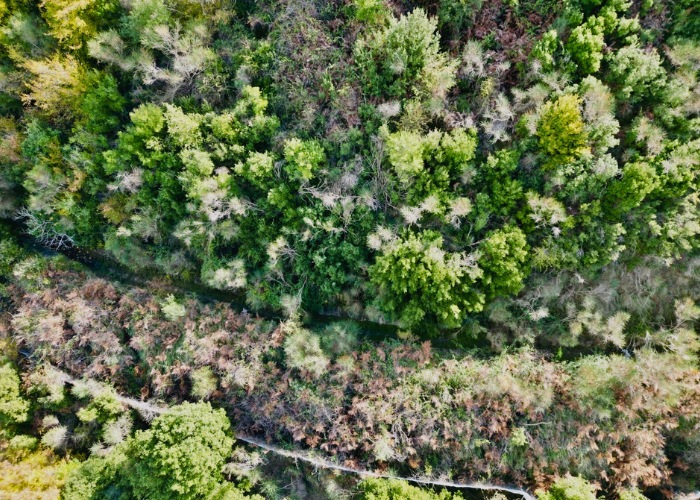
CHAmbre agri will focus its work on water meadows of the Plain of Crau with the objectives of optimizing water management on the plot, promoting agroecological practices and WHS as resilient tools to mitigate the effects of climate change, and foster conservation of hydraulic and agricultural heritage. It will collect literature, data and local know-hows related to water meadows and current agricultural practices and map the different types of soils related to this WHS. It will also model the water blade on the plot and the size of an optimal irrigation channel. CHAmbre agri will design an action plan for the pilot restoration of two water meadows and implement it through participative workshops, involving the local primary schools as it was done in the “Eau des Villes – Eau des Champs” project. CHAmbre agri will organize a local seminar to disseminate the project’s results among local farmers and stakeholders.
Terres en villes (FR)
Terres en villes (TeV) will co-lead the production of the final Joint Action Plan with OTRA, that will value the efficiency of WHS as resilient tools to mitigate the effects of climate change and water scarcity. The action plan will be a replicable tool for WHS restoration and monitoring as a way to secure water and address the challenge of irrigating agricultural land in the Mediterranean in a context of climate change. TeV will also lead the consultancy on WHS restoration and monitoring, aiming to facilitate the replication of WHS restoration measures in other Med territories. TeV will leverage its multi-stakeholder project coordination abilities to propose a framework adapted to each of the partners, in continuity with their contribution to the joint strategy and action plan. TeV will also participate in setting the call and provide consultancy at national level (France), in cooperation with CHAmbre agri.